Stores
 Connect with us
 +91 88827 37391

Master Chronometer Explained: How Tudor Watches Are Tested

The term “Master Chronometer” appears on a growing number of modern mechanical watches, signalling a level of testing that goes beyond traditional chronometer standards. For enthusiasts and collectors, it represents a rigorous certification process designed to verify a watch’s performance under demanding real-world conditions.
A recent video from Tudor takes viewers inside this process, offering a closer look at how its watches achieve the METAS Master Chronometer certification and why the standard has become an important benchmark in contemporary watchmaking.
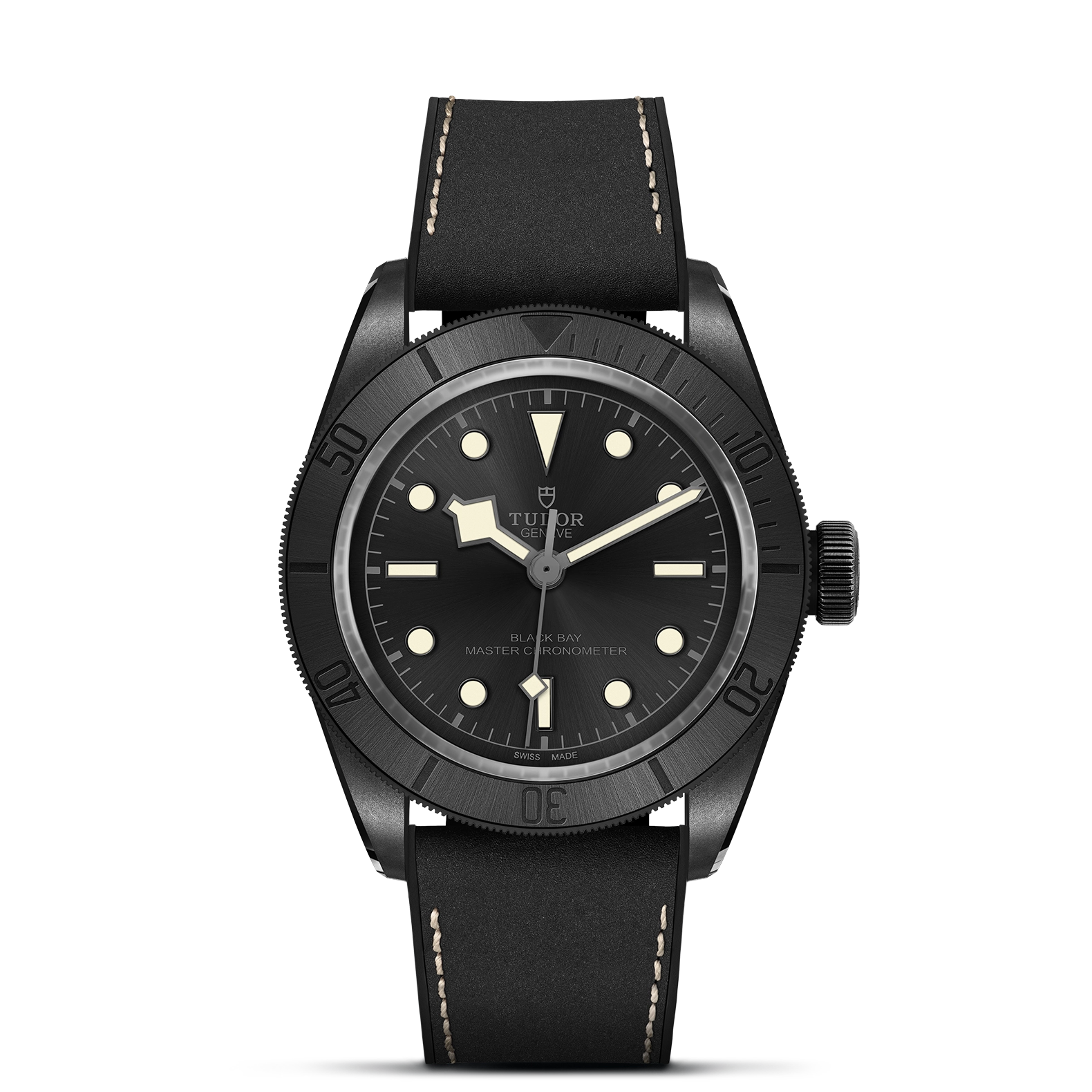
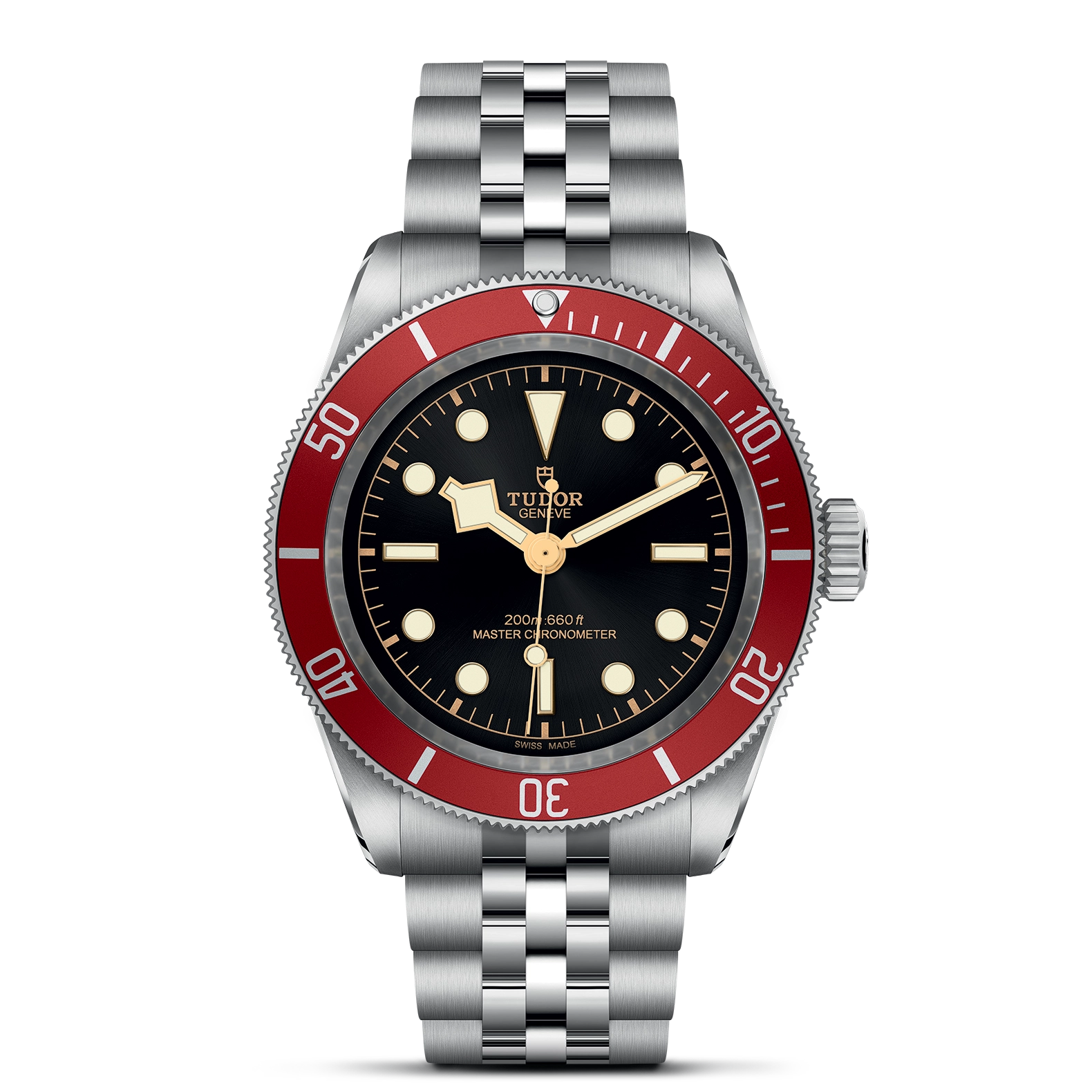
At present, two Tudor models benefit from this certification: the Tudor Black Bay Ceramic introduced in 2021 and the updated Tudor Black Bay unveiled at Watches and Wonders Geneva 2024. The brand has indicated that the Master Chronometer standard will gradually extend across more of its collection in the future.
Understanding METAS
The certification is administered by the Swiss Federal Institute of Metrology, commonly referred to as METAS. This Swiss government-backed body is responsible for maintaining national standards for measurement and ensuring the reliability of measurement systems used across industry, science and government.
In watchmaking, METAS provides a framework to verify the performance of mechanical watches through strict, independently monitored tests. The involvement of a national metrology institute underscores the significance of precision in the Swiss watch industry.
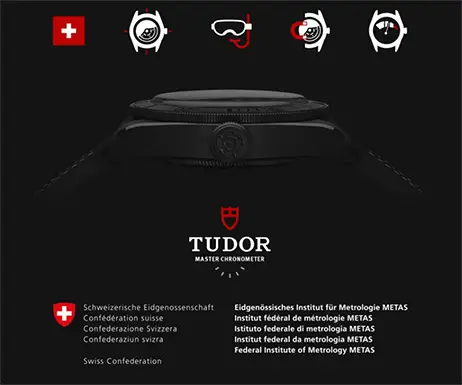
Watchmaking itself holds a special place in Swiss culture. The craftsmanship associated with the industry has been recognised by UNESCO as part of the Intangible Cultural Heritage of Humanity, acknowledging it as a living tradition that continues to shape the country’s identity.

Certification Inside the Manufacture
The Master Chronometer certification for Tudor watches is conducted at the brand’s manufacture in Le Locle, Switzerland. Although the tests take place within the facility, the process remains independently monitored by METAS. An official from the institute is present at the manufacture to conduct inspections and spot checks. This ensures that the testing procedures comply fully with the standards established by the organisation and that the certification remains credible and transparent.
The testing process itself occupies an entire floor of the manufacture. Automation plays an important role in the process: robots carry out repetitive tasks with high consistency, allowing technicians and watchmakers to focus on areas where human expertise adds value.
What the Tests Measure
The Master Chronometer certification goes beyond traditional accuracy testing. Instead of examining the movement alone, METAS evaluates the fully assembled watch, ensuring that it performs reliably once it leaves the manufacture.
To qualify as a Master Chronometer, a watch must maintain an average daily precision of 0 to +5 seconds per day. The timepiece is also tested for magnetic resistance up to 15,000 gauss, a level that ensures the movement continues to function accurately even when exposed to strong magnetic fields commonly encountered in modern life.

Additional tests verify the watch’s water resistance and power reserve, confirming that the watch meets the specifications declared by the manufacturer. Together, these procedures provide a comprehensive evaluation of the watch’s overall performance.
METAS vs COSC: Understanding the Difference
Many mechanical watches first undergo testing by the Contrôle Official Suisse des Chronomètres (COSC), the Swiss body responsible for certifying chronometer movements. COSC testing evaluates the movement alone, measuring its accuracy in multiple positions and at different temperatures before it is installed inside a watch case.
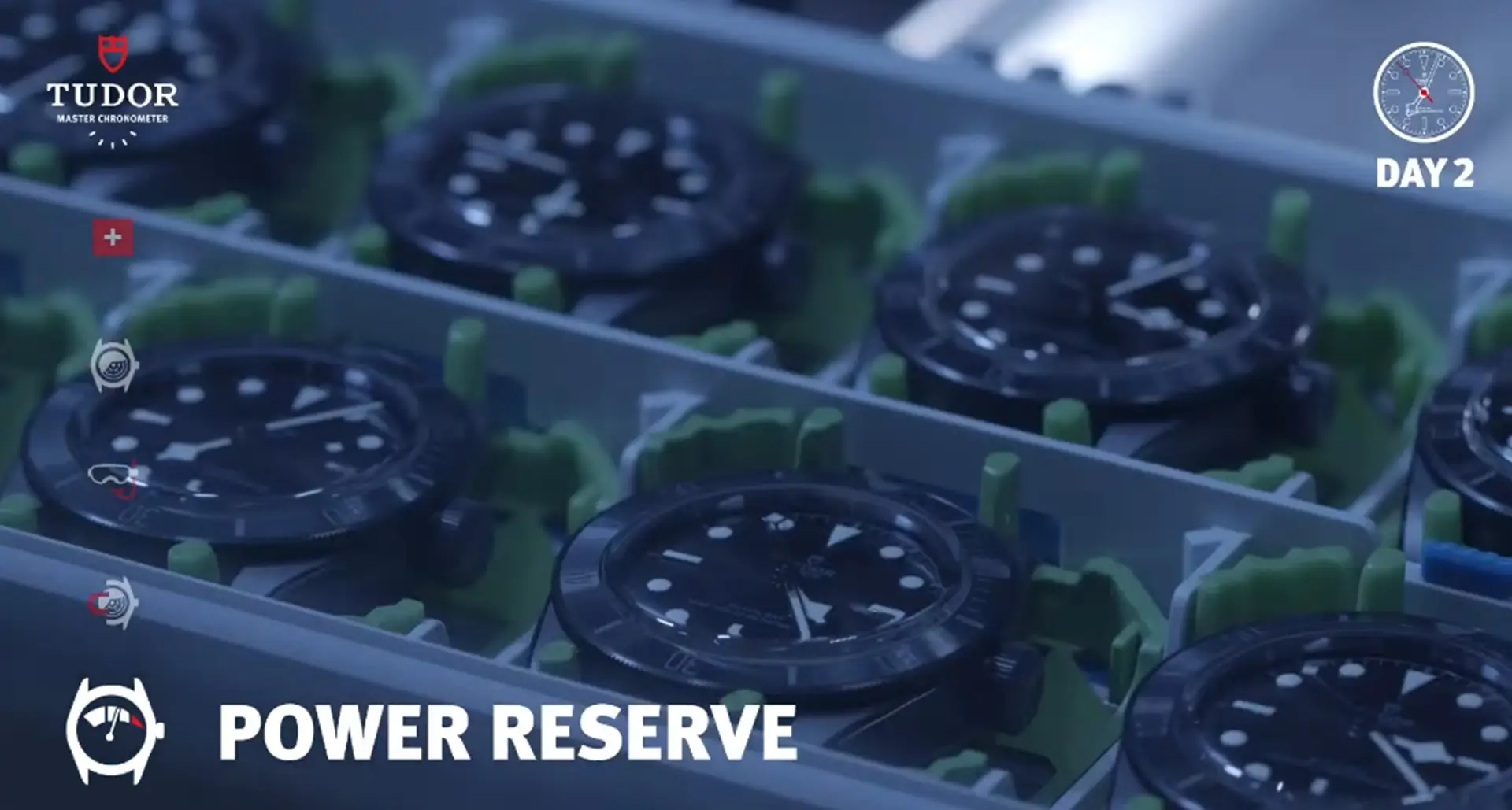
The METAS Master Chronometer certification takes the process further by examining the complete watch. In addition to accuracy, METAS testing confirms magnetic resistance, checks that the power reserve matches the manufacturer’s claim, and verifies water resistance. In simple terms, COSC establishes the precision of a movement, while METAS evaluates how the finished watch performs in everyday conditions.
Watches Currently Certified
Two Tudor watches currently undergo the Master Chronometer testing programme:
- Black Bay Ceramic – A 41 mm model with a ceramic case, available with a hybrid leather- and-rubber strap or a black fabric strap.
- Black Bay - A 41 mm stainless steel watch presented on a steel bracelet.
These models represent the brand’s move toward integrating the Master Chronometer standard into its broader watchmaking strategy.
A Benchmark for Modern Watchmaking
As mechanical watchmaking continues to evolve, certifications like the METAS Master Chronometer standard offer a clearer benchmark for performance. They provide independent verification that a watch has been tested for accuracy, durability and resistance to everyday environmental factors.
For Tudor, the certification reflects a commitment to measurable standards in modern watchmaking, ensuring that its watches deliver the reliability and precision expected from contemporary mechanical timepieces.