Stores
 Connect with us
 +91 88827 37391

How the Tudor Logo Evolved from a Rose to the Iconic Red Shield
Overview
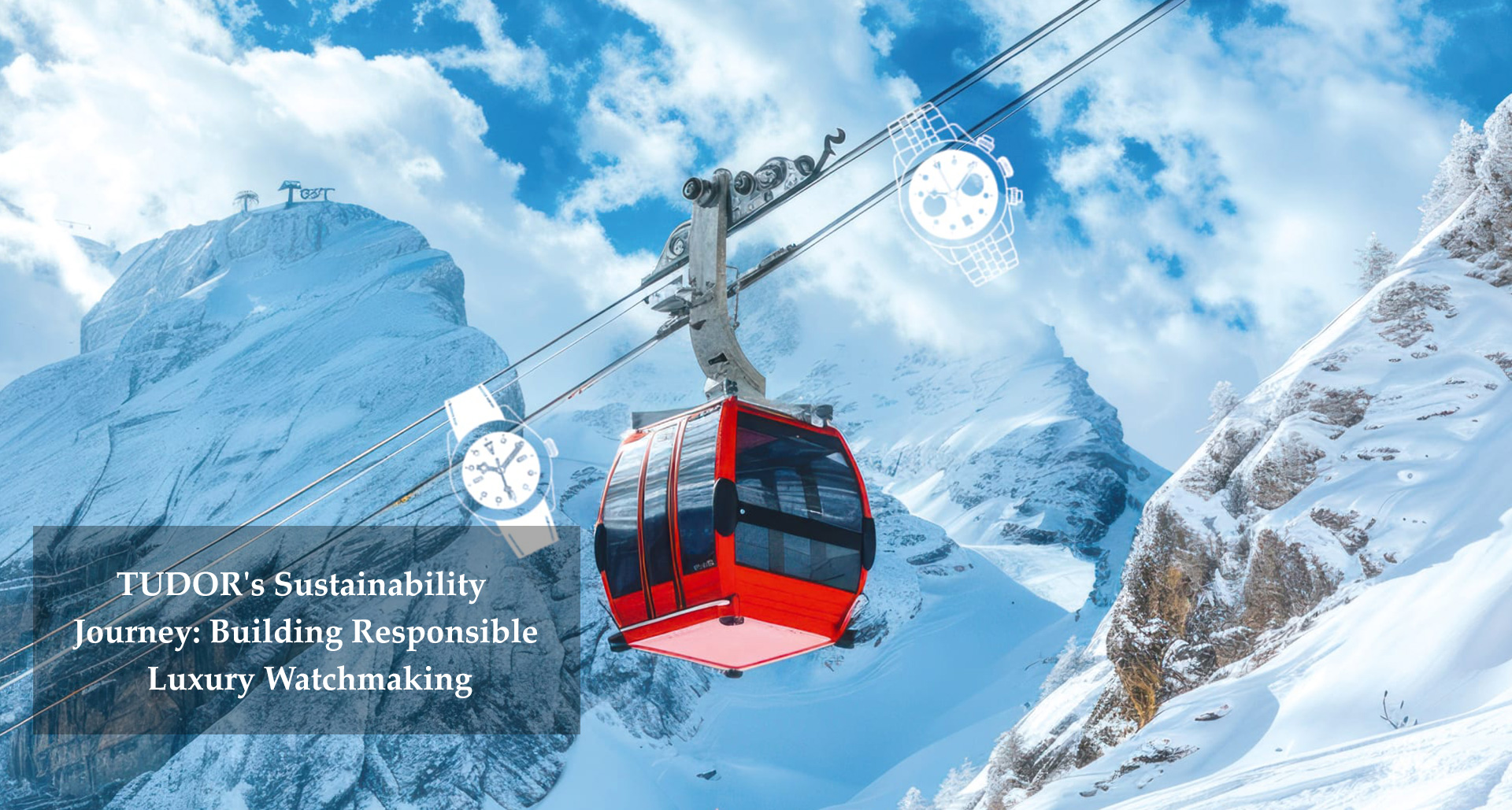
Discover how TUDOR is embedding sustainability across design, sourcing, manufacturing and governance behind every timepiece.
Every mechanical watch tells a story. It begins long before the first component is assembled, with the sourcing of raw materials, the expertise of skilled craftspeople and countless decisions made behind the scenes. For TUDOR, that journey has taken on a new dimension. With the release of its 2025 Sustainability Report, the Swiss watchmaker offers a detailed look at how sustainability is becoming part of every stage of its business.
A Strategy That Continues to Evolve
Sustainability has been on TUDOR's agenda since 2023, but the latest report marks a significant step forward. Following an extensive review of its operations and stakeholder expectations, the brand has refined its strategy around four priorities, creating a clearer roadmap for the future.
This evolution reflects an important shift. Rather than viewing sustainability solely through an environmental lens, TUDOR now considers how every decision affects its products, employees, suppliers, customers and wider communities. It is a philosophy built on continuous improvement rather than one-off initiatives.

Building Watches That Are Made to Last
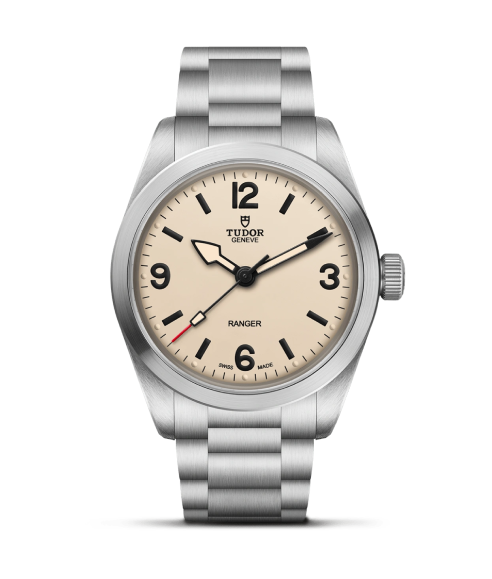
Perhaps the most compelling idea in the report is also its simplest: creating sustainable watches begins with designing watches that stand the test of time.
For centuries, mechanical watches have embodied longevity. Unlike products designed for short life cycles, they can be serviced, repaired and enjoyed for generations. TUDOR believes this enduring quality forms the foundation of responsible luxury.
Today, that philosophy extends beyond the finished watch. Under its expanded "Sustainable Products and Customer Value" pillar, the brand is integrating eco-design principles, energy efficiency, waste reduction and circular economy thinking into product development. Sustainability is measured not only by environmental performance but also by the quality, reliability and long-term value each watch offers its owner.
Looking Beyond the Workshop
One of the report's greatest strengths is that it follows the complete journey of a TUDOR watch. Responsibility begins at the design stage, where sustainability is increasingly considered alongside performance and aesthetics. It continues into sourcing, where the company recognises that many of the most significant environmental and social impacts occur long before components arrive at the manufacture.
To address this, TUDOR has strengthened supply chain transparency, with complete mapping of its gold supply chain and greater visibility across other key materials. Its procurement strategy considers issues ranging from climate change, biodiversity and water management to workers' rights and community impact. Suppliers are expected to uphold the same ethical standards through responsible procurement policies, collaboration and ongoing development.
Inside the Manufacture, the focus turns to reducing raw material consumption, particularly precious metals, by minimising waste and improving material recovery processes. The company has also launched biodiversity and water initiatives while measuring the carbon footprint of major events, including ‘Watches and Wonders’ and the ‘Giro d'Italia’, recognising that sustainability extends beyond manufacturing alone.
Even after a watch leaves the manufacture, the journey continues. Through its international after-sales service network, TUDOR ensures its watches remain reliable for decades. It's a reminder that one of the most sustainable products is one designed to be maintained rather than replaced.
Responsibility Starts with People
Behind every TUDOR watch is the expertise of the people who create it, and the report makes it clear that sustainability depends just as much on investing in people as it does on protecting the environment.
The brand's People pillar combines two ambitions: creating a safe, inclusive workplace while preserving and passing on the knowledge that underpins Swiss watchmaking.
This commitment is evident in the opening of TUDOR's new Training Centre at its Le Locle manufacture, where apprentices begin developing the skills that will shape the next generation of watchmakers. Alongside technical education, employees participate in initiatives such as Climate Fresk and MyCO₂ workshops, as well as ethical procurement training, ensuring sustainability becomes part of everyday decision-making across the business.



Governance That Supports Action
To embed sustainability throughout the organisation, TUDOR has established a dedicated Sustainability Department that works alongside procurement, risk and compliance teams while reporting to senior leadership. The company has also strengthened supplier due diligence, ethical purchasing policies and ongoing audits covering human rights, labour standards and workplace safety.
Rather than relying on broad commitments, TUDOR is putting systems in place that encourage accountability and measurable progress throughout its value chain.

Looking Ahead
TUDOR's 2025 Sustainability Report demonstrates that responsibility is becoming part of the brand's DNA, from design and sourcing to manufacturing, governance and long-term service. It is an approach that respects traditional Swiss craftsmanship while recognising the expectations of a changing world.
For collectors, that's an encouraging direction. The qualities that make a mechanical watch desirable, precision, durability and longevity, are the very same qualities that support a more responsible future.