

 Rolex
Rolex TUDOR
TUDOR Silverware


Search with a keyword.
How TUDOR’s Manufacture Shapes Its Watches
- 30.Sep.2026
 5 minutes
-
 Share This


Written by Rubi BG for Cooke & Kelvey
How TUDOR’s Manufacture Shapes Its Watches
Overview
Discover how TUDOR’s Manufacture in Le Locle brings precision, technology and watchmaking expertise together to shape its modern mechanical watches.
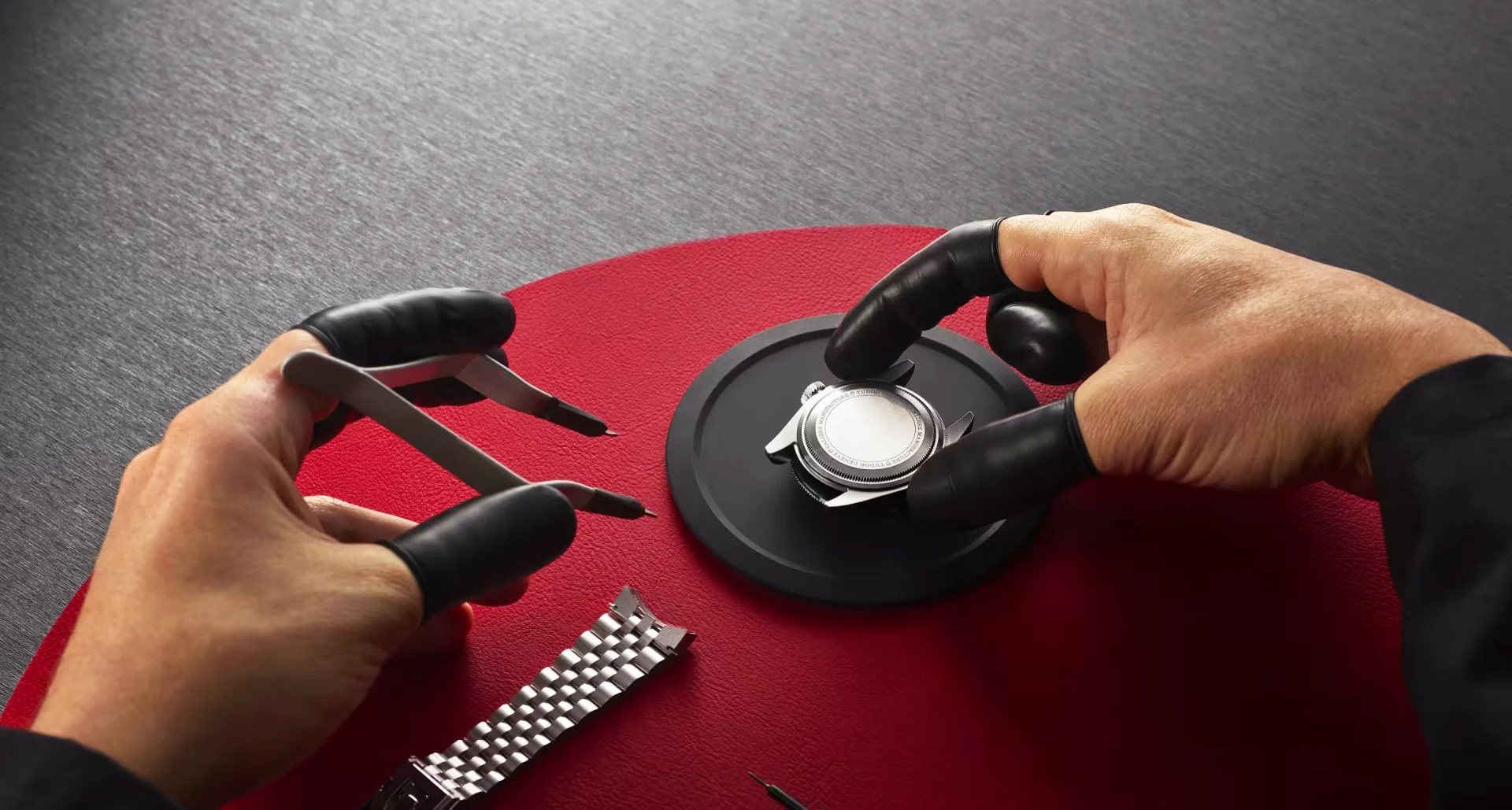
A TUDOR watch is defined by more than its design. The way it is made matters just as much. TUDOR’s approach to watchmaking has evolved significantly over the past decade, with the brand building greater control over the production of its watches and the components that power them. At the centre of this is the TUDOR Manufacture in Le Locle, Switzerland, a dedicated facility that brings together watchmaking expertise, production management and automated testing.
Completed in 2021, the Manufacture spans four levels and 5,500 square metres. It is connected to the neighbouring Kenissi Manufacture, the movement production facility founded in 2016. Together with a network of TUDOR-owned affiliates, these facilities have enabled TUDOR to integrate the development and production of high-performance mechanical calibres and take greater control of strategic components.
Control From Movement To Watch
This manufacturing approach is important because mechanical watchmaking depends on the precision of countless individual components working together. TUDOR’s Manufacture brings the assembly and testing of its watches into a dedicated environment, while its wider manufacturing network supports the production of key movement components and calibres.
TUDOR introduced its first Manufacture Calibre in 2015 with the MT5621. Since then, the family has expanded across watches including the Black Bay, Pelagos, Black Bay Chrono and Black Bay 58 GMT. These movements have been developed around the brand’s focus on robustness, precision and extended power reserves.
The MT5400 used in the Black Bay 54, for example, features a variable-inertia balance wheel held by a traversing bridge and a non-magnetic silicon balance spring. When tested in a fully assembled watch, it operates within a tolerance of -2/+4 seconds per day, according to TUDOR. It also offers a 70-hour power reserve, giving the watch enough autonomy to continue running through a weekend off the wrist.
Where Technology Meets Watchmaking
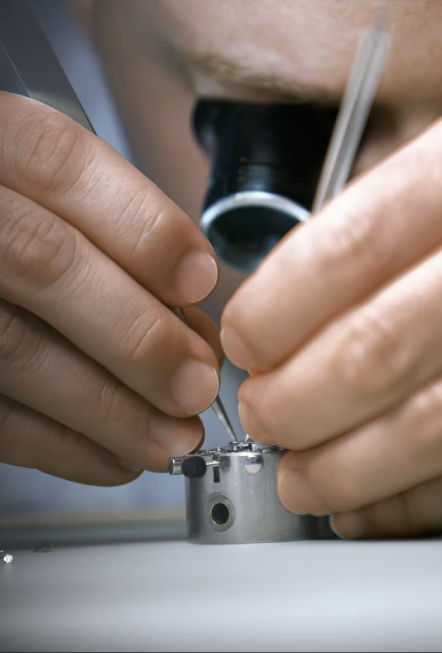
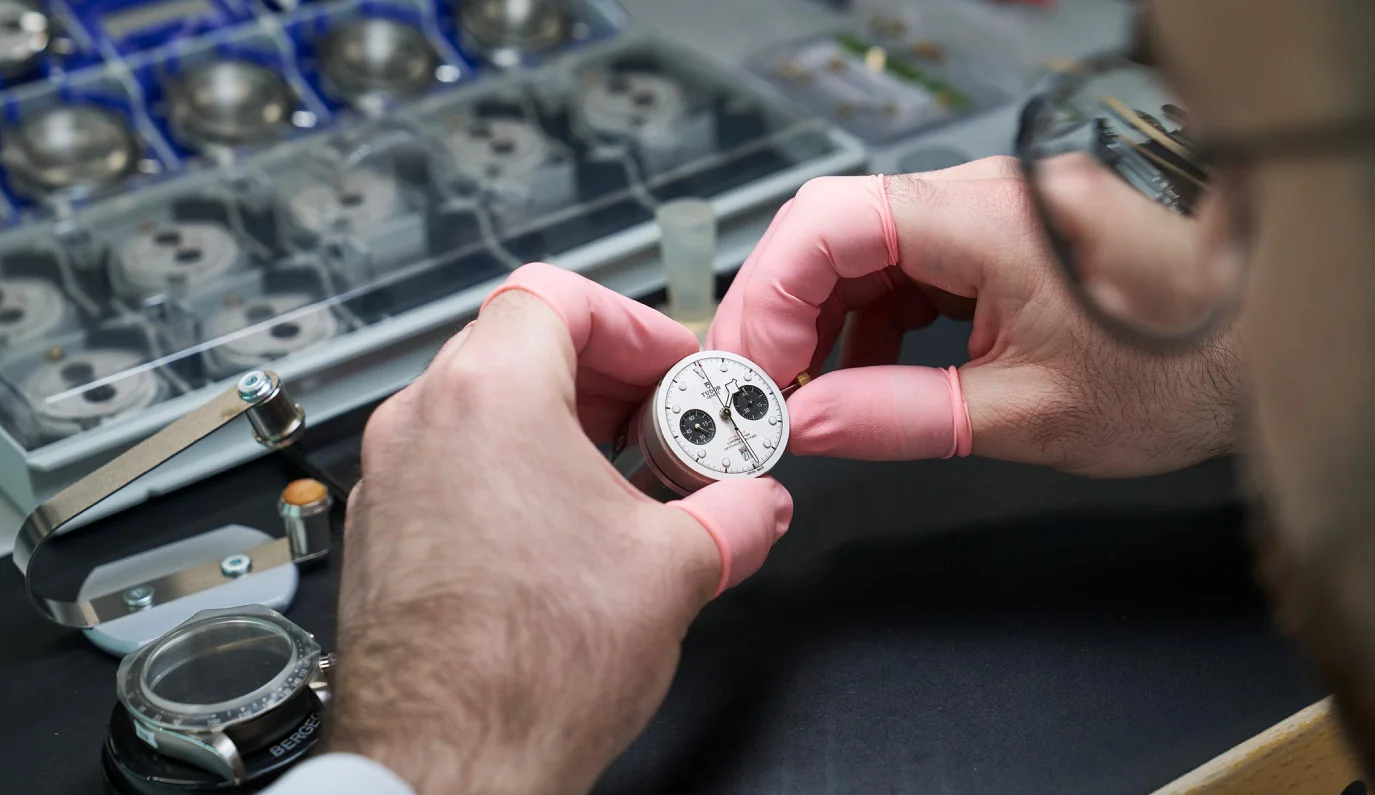
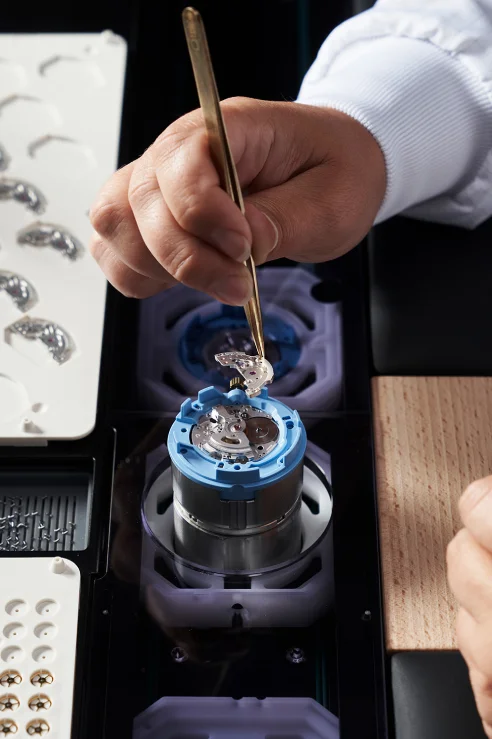
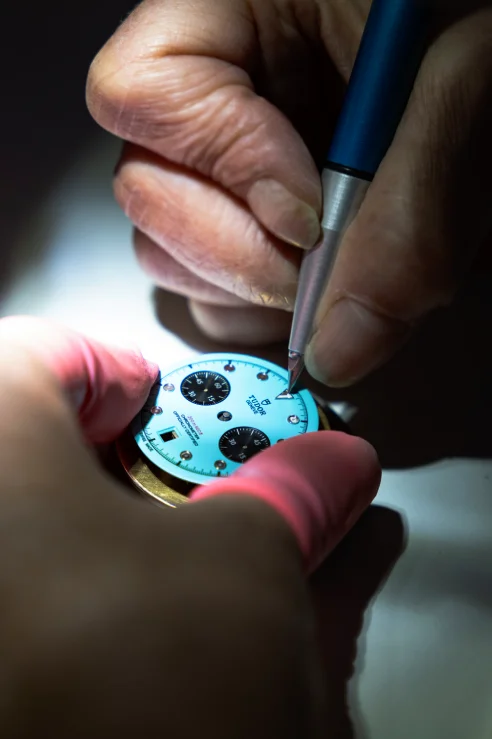
The Manufacture is not simply about automation. TUDOR describes the facility as bringing together the expertise of watchmakers with production management and automated testing systems.
That combination is significant. Modern watchmaking relies on highly precise manufacturing technology, while the assembly, adjustment and inspection of a mechanical movement still demand specialist knowledge and careful human intervention. TUDOR’s production model is designed around both.
The result is a manufacturing process where precision can be controlled at multiple stages, from the production of strategic components and mechanical calibres to assembly and final testing. TUDOR states that every watch is assembled and fully tested at its Le Locle Manufacture according to the brand’s standards.
Precision Is Tested, Too
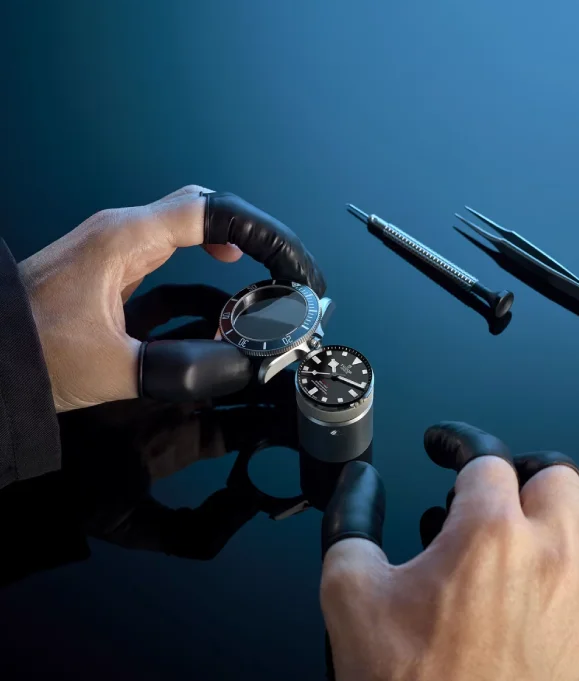
For TUDOR, manufacturing control extends beyond producing the watch. Testing is an integral part of the process.
The Manufacture incorporates automated testing systems, while selected models undergo the more demanding METAS Master Chronometer certification. TUDOR’s METAS-certified watches are tested for precision, magnetic resistance, water resistance and power reserve, among other requirements. The certification process takes place at the Le Locle Manufacture, with METAS personnel conducting inspections and spot checks.
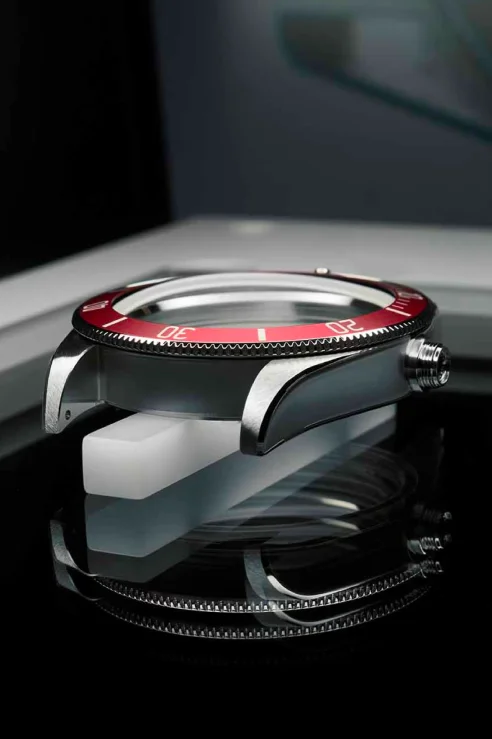
The Black Bay Ceramic and the 2024 Black Bay were among the first TUDOR models to receive Master Chronometer certification. The Black Bay Ceramic, in particular, combines its ceramic case with the Manufacture Calibre MT5602-1U, which was developed to meet the demanding requirements of the certification.
A Modern Interpretation Of Swiss Watchmaking
TUDOR’s Manufacture represents a relatively new chapter in the brand’s history. It is the first industrial facility fully dedicated to TUDOR in its century-long history, bringing together production, assembly and testing in Le Locle.
For the wearer, much of this work remains invisible. There is no obvious way to see the tolerances of a movement component or the testing a watch has undergone once it is on the wrist. Yet these details form an important part of what makes a mechanical watch dependable over time.
TUDOR’s manufacturing philosophy therefore goes beyond the idea of making watches in Switzerland. It is about building the expertise, technology and production capabilities needed to maintain control over how those watches are made, assembled and tested.
That connection between manufacturing capability and everyday performance is perhaps the most revealing part of the TUDOR story: the quality of a finished watch begins long before it reaches the wrist.



Cooke & Kelvey
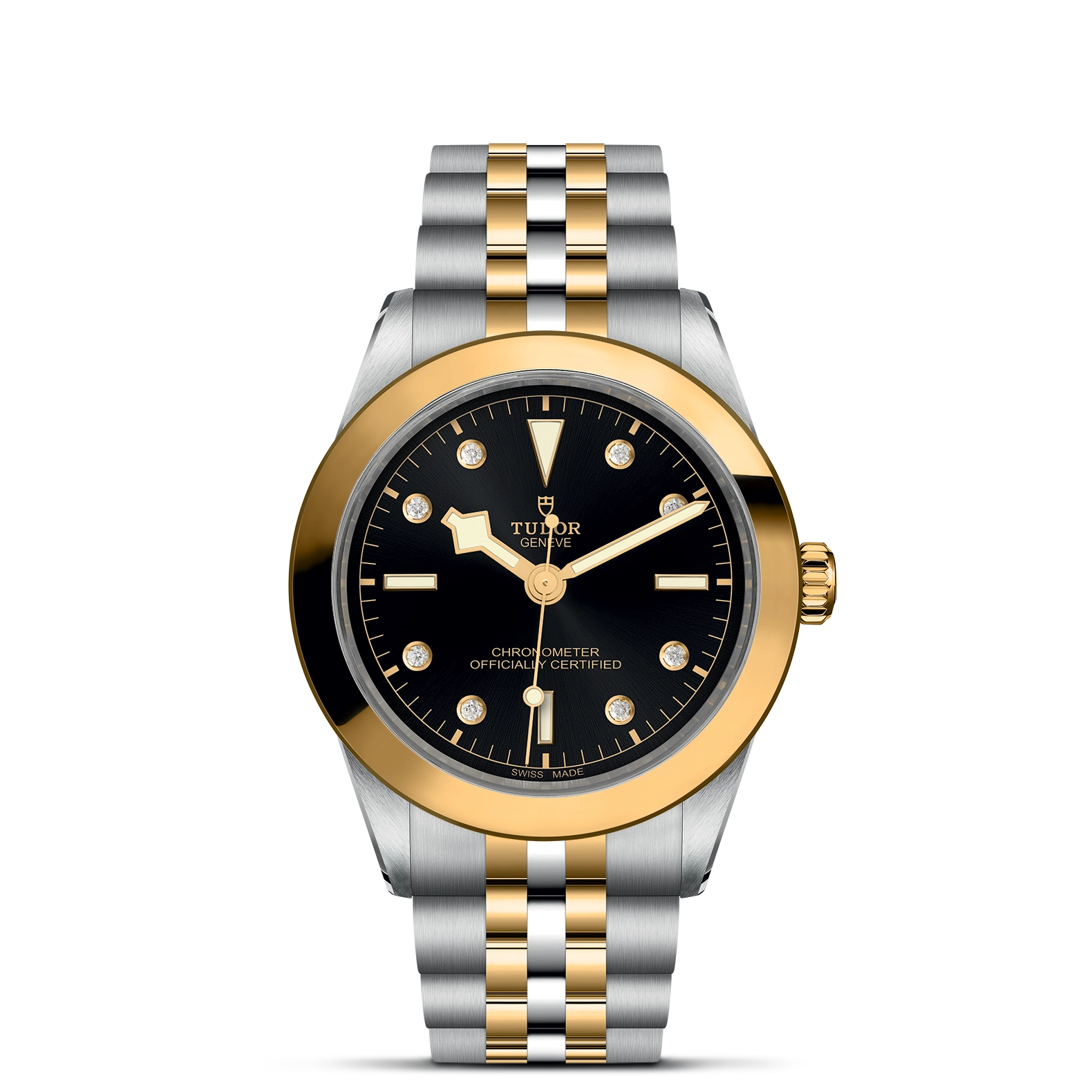
Shop This Story
Get an inside perspective on the world of Cooke & Kelvey and discover a curated selection of the latest trends for jewellery and watch lovers


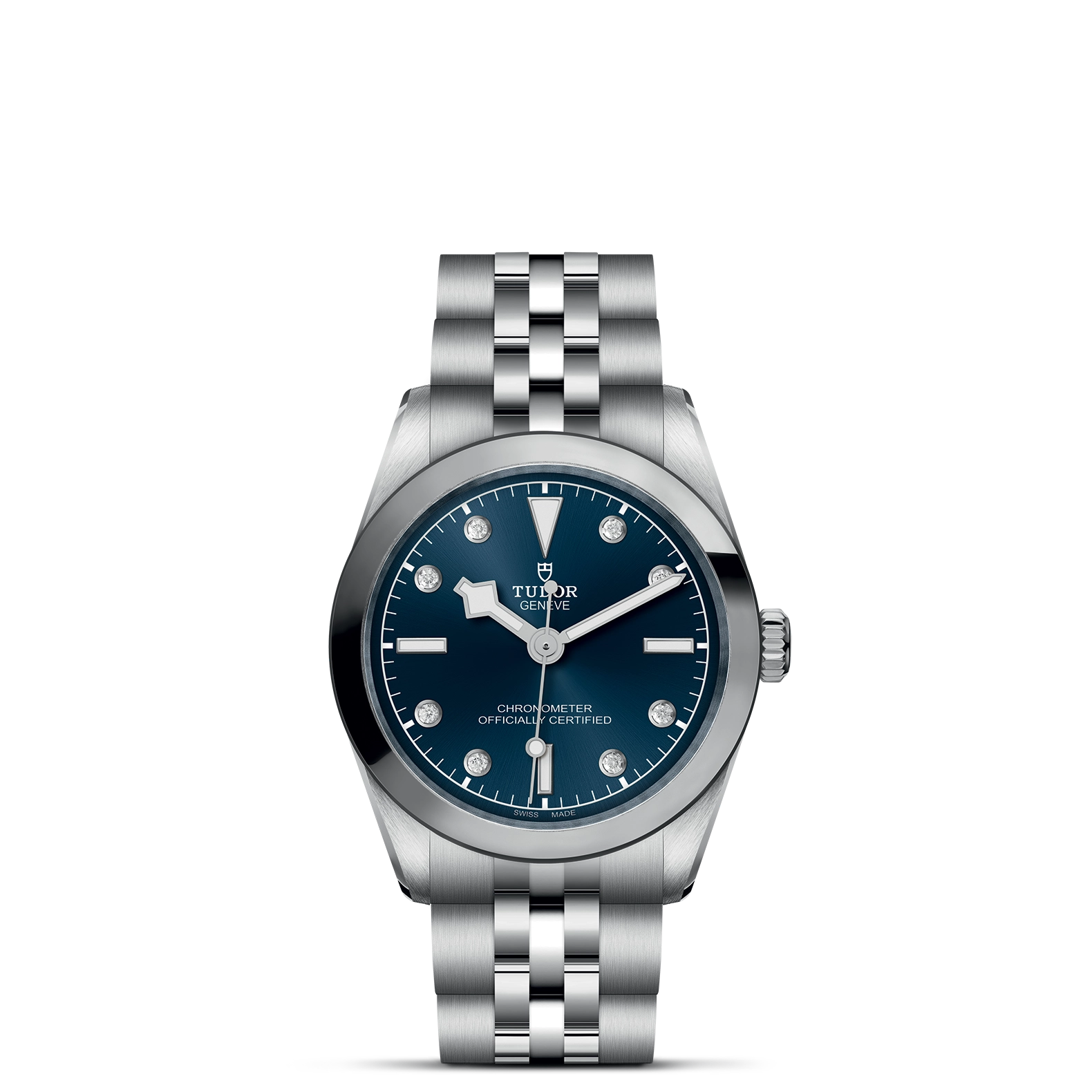


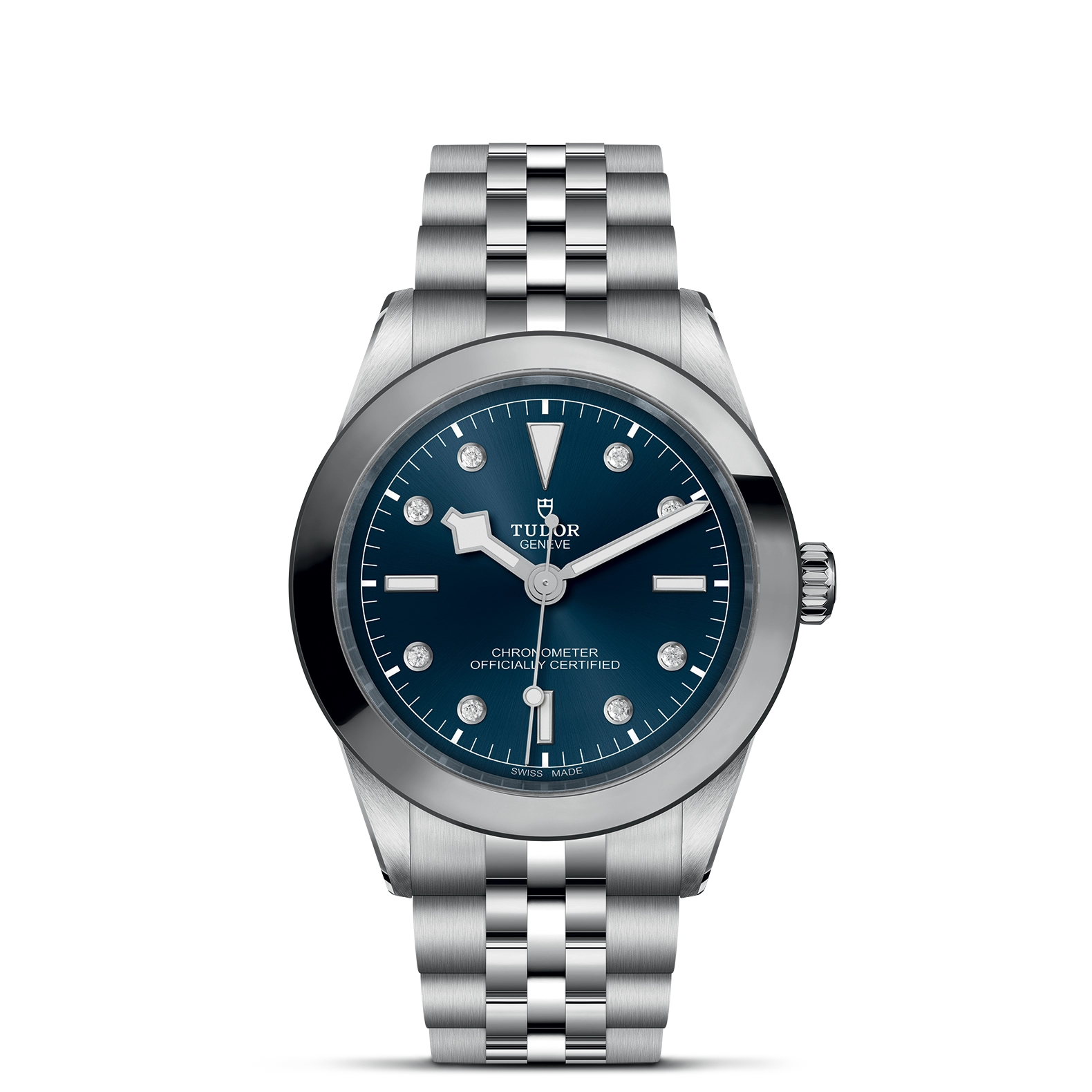

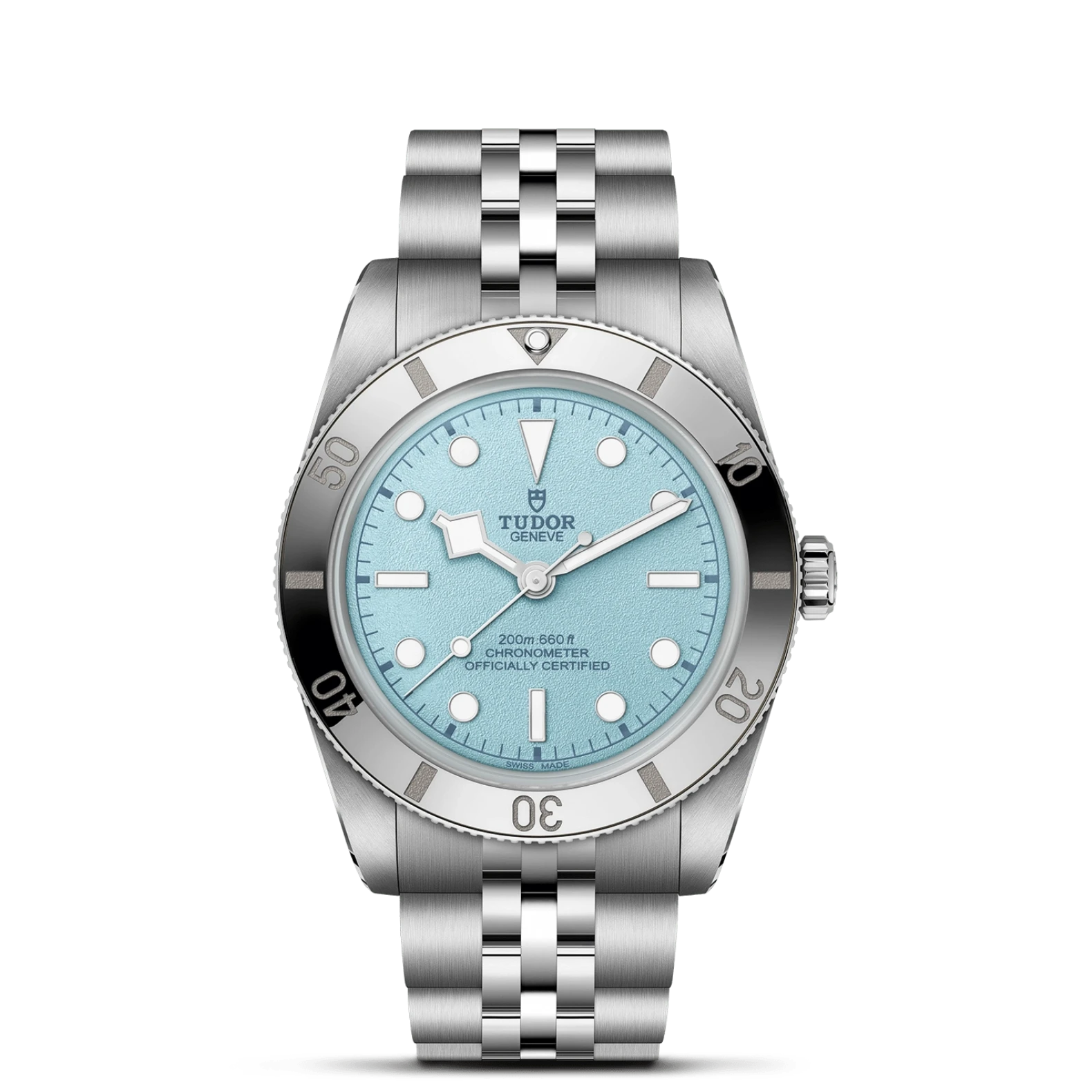

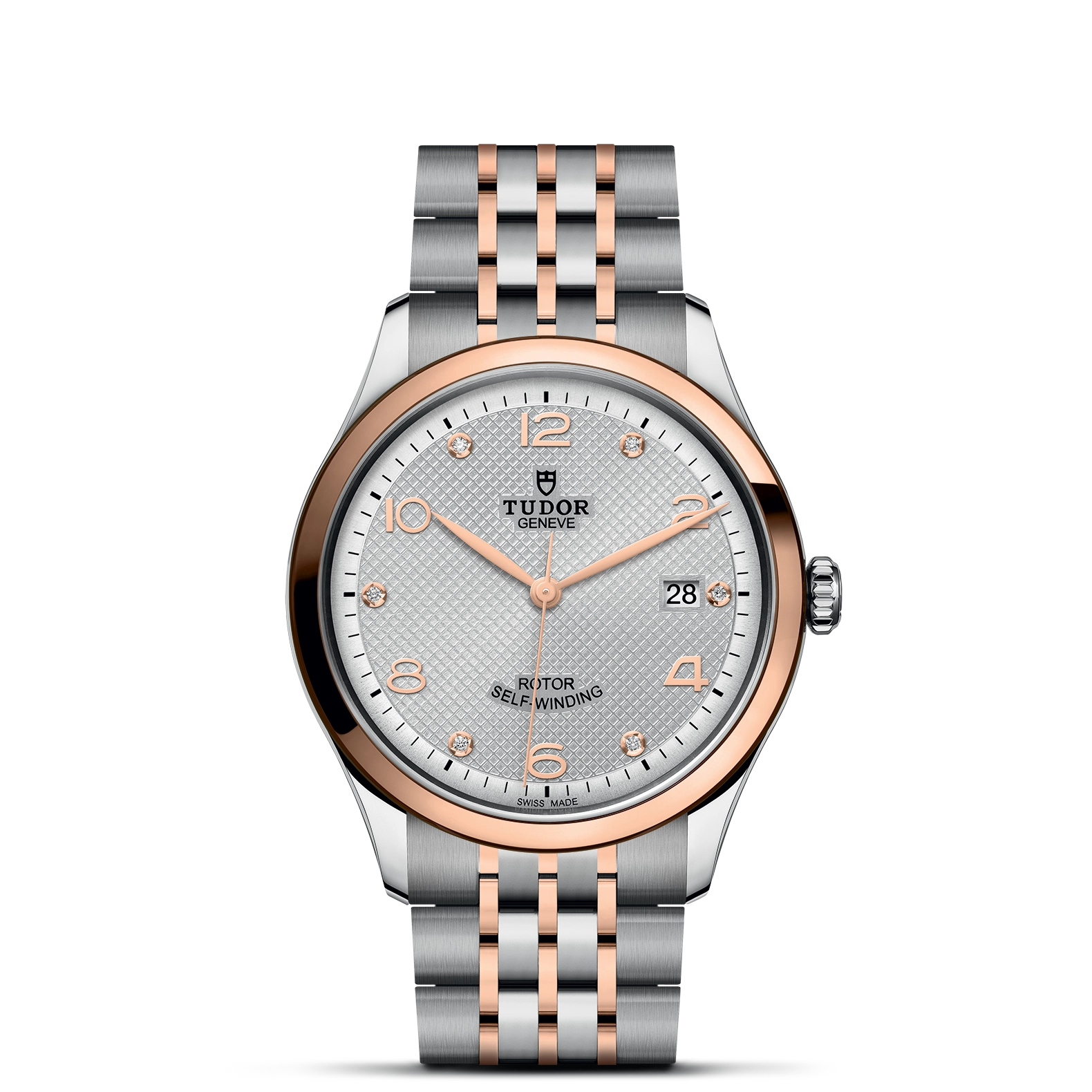
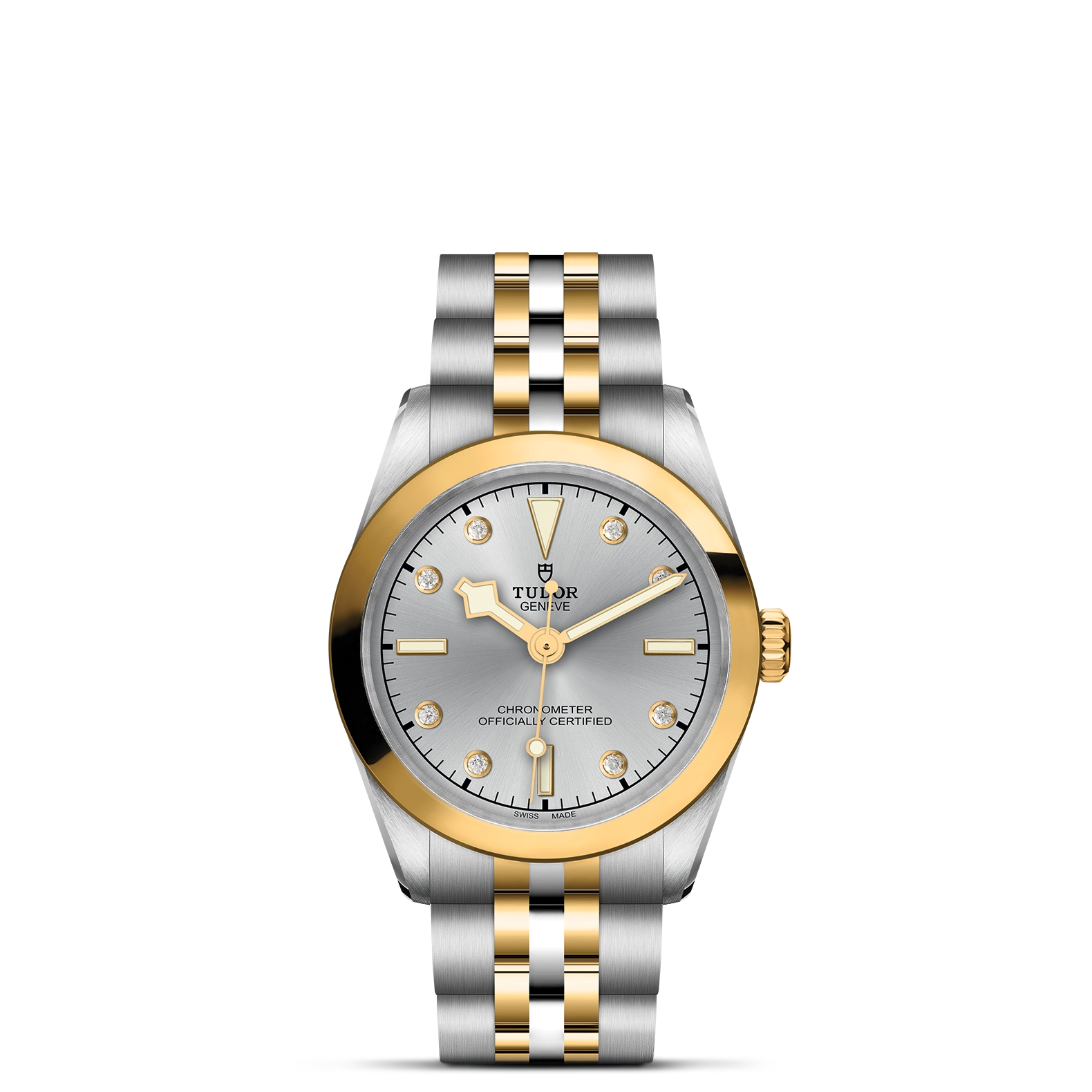
Cooke & Kelvey World
Explore More Blogs
Get an inside perspective on the world of Cooke & Kelvey and discover a curated selection of the latest trends for jewellery and watch lovers
Tudor Black Bay Ceramic Is Completing the All-Black Look
Tudor Black Bay Ceramic Is Completing the All-Black Look Written by Rubi BG for Cooke & Kelvey Overview Tudor’s Black...

TUDOR's Sustainability Journey: Building Responsible Luxury Watchmaking
How the Tudor Logo Evolved from a Rose to the Iconic Red Shield Written by Rubi BG for Cooke &...
More Than a Watch, A Life Remembered: TUDOR’s La Pilota
More Than a Watch, A Life Remembered: TUDOR’s La Pilota Written by Rubi BG for Cooke & Kelvey Discover how...

Why the World's Toughest Trails Are Tudor's New Frontier
Tudor Brings Back the Monarch at Centenary Celebrations Written by Rubi BG for Cooke & Kelvey Overview Why are the...
The ‘Bigger’ Story Behind Tudor's Move Into Grand Sumo
Tudor Brings Back the Monarch at Centenary Celebrations Written by Rubi BG for Cooke & Kelvey Overview What does Tudor's...

Tudor Brings Back the Monarch at Centenary Celebrations
Tudor Brings Back the Monarch at Centenary Celebrations Written by Rubi BG for Cooke & Kelvey Overview Tudor marks its...
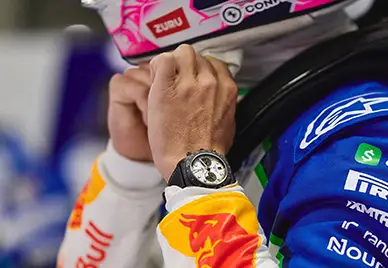
The New TUDOR Black Bay Chrono “Carbon 26” Thinks Like A Formula 1 Car
How the Tudor Logo Evolved from a Rose to the Iconic Red Shield Written by Rubi BG for Cooke &...

Cooke & Kelvey Launches a Landmark Rolex Boutique In Kolkata
Cooke & Kelvey Launches a Landmark Rolex Boutique In Kolkata Cooke & Kelvey opens an exclusive Rolex boutique at ITC...

If These Watches Could Talk: The Stories Tudor’s 2026 New Line Is Trying To Tell
If These Watches Could Talk: The Stories Tudor’s 2026 New Line Is Trying To Tell Written by Rubi BG for...

TUDOR Turns a New Chapter, Takes to the Skies With The Flying Bulls
TUDOR Turns a New Chapter, Takes to the Skies With The Flying Bulls Written by Rubi BG for Cooke &...
DISCOVER COOKE & KELVEY
Your destination for curated luxury watches and exquisite silverware.
Visit our exclusive stores in
 Chat with us on WhatsApp
 Speak to Our Team
 Send us an Email
 Schedule an Appointment